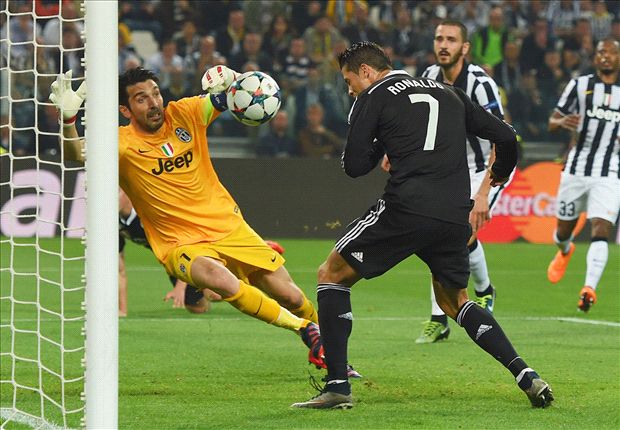
ANALYSIS: Carlo Ancelotti’s men are looking to
overturn a 2-1 deficit in the Champions League semi-final, but are the
history books on their side?
The Champions League draw is often greeted by
coaches taking solace from receiving home ties for second legs - even if
they have been pitted an easy
Uefa also seems to feel that such a situation presents an advantage,
rewarding Champions League group winners with an away last-16 first leg,
meaning the decisive second encounter will be played in front of their
own fans.From the quarter-finals onwards there is an open draw, although the venue of each leg remains a key consideration in any draw analysis. By the time we reach the last four, though, are teams playing the second leg at home really more likely to progress?
The simple answer is 'not really', with the current trend moving further away from the perception that a home second leg is helpful.
This week, Bayern Munich and Real Madrid return home in an attempt to overturn first-leg deficits. Pep Guardiola’s side have an uphill battle on their hands after losing 3-0 to Barcelona at Camp Nou, while fans of Carlo Ancelotti’s Madrid are more optimistic of turning around a 2-1 deficit at home to Juventus.
Cristiano Ronaldo & Co. remain odds-on favourites with the bookmakers to reach the final in Berlin despite being behind in the tie, with home advantage seemingly a crucial factor. The statistics, though, show that should not be the case.
Two-legged semi-finals in the Champions League returned in 1995 when Ajax and AC Milan both secured a place in that year’s final having received home second legs.
The overall picture from the last two decades suggests such a situation has not given the teams in question an advantage. In total, just 17 out of the 40 semi-final sides (42.5 per cent) who played the return match in their own stadium have progressed to the final during the Champions League era.
In recent years, that trend has become increasingly marked. Over the last six seasons, only two out of the 12 teams (17%) to have home second legs in the last four have reached the final.
Manchester United (against Schalke) and Barcelona (against Real Madrid) both bucked the trend to reach the 2011 showpiece at Wembley, but each of the other five years has seen the progress of every team playing away in the second leg.
Madrid’s own experiences in recent years do not bode well for them. In 2012 and 2013 they suffered consecutive semi-final exits when playing the second legs at home against Bayern and Borussia Dortmund respectively under Jose Mourinho.
Their run to last year’s final came after playing the return game against Bayern in Germany, while Atletico Madrid sealed their spot in Lisbon after a successful second leg against Chelsea at Stamford Bridge.
Does the prospect of an extra-time period allowing visiting sides an extra 30 minutes to score an invaluable away goal actually put the home teams at a disadvantage? Are the clubs involved at this late stage playing at such a high level that the venue does not have much of an influence on the outcome? Are away first-legs leaving teams too much ground to make up?
Whatever the reason, home advantage in the second leg is quickly becoming a curse at the semi-final stage. The statistics highlight the scale of Madrid's task in their hunt for a record-breaking 11th title.
With Bayern all but out of the competition following their Camp Nou collapse and Madrid far from certain to progress against a Juve side who are set to include Paul Pogba and have a lead to defend, the recent trend could well be extended through 2015.

No comments:
Post a Comment